Prepare students for civic life with an engaging lesson that explores the right to vote and the responsibilities of citizenship.

Prepare students for civic life with an engaging lesson that explores the right to vote and the responsibilities of citizenship.
Unlock students’ understanding of landforms, bodies of water, and their impact on early civilizations through active, inquiry-driven lessons that connect physical geography to real-world relevance.
Help students understand the “why of where” with this lesson on spatial thinking—an essential skill in geography and global citizenship.
In this hands-on environmental science engineering project, students explore the real-world challenge of soil contamination by designing and testing a method for removing heavy metals using sunflowers.
In this environmental science engineering design challenge, students investigate the use of algae as a natural solution for capturing carbon dioxide from the atmosphere. By building and testing carbon-capturing systems, students explore the science behind climate change mitigation while applying real-world data collection, analysis, and problem-solving skills.
In this innovative STEM challenge, students design and test a small-scale generator that transforms kinetic energy—such as wind or water flow, into electricity. By applying engineering practices and analyzing real data, students explore renewable energy solutions and learn how repurposed materials can power everyday devices like phone chargers or camp lights.
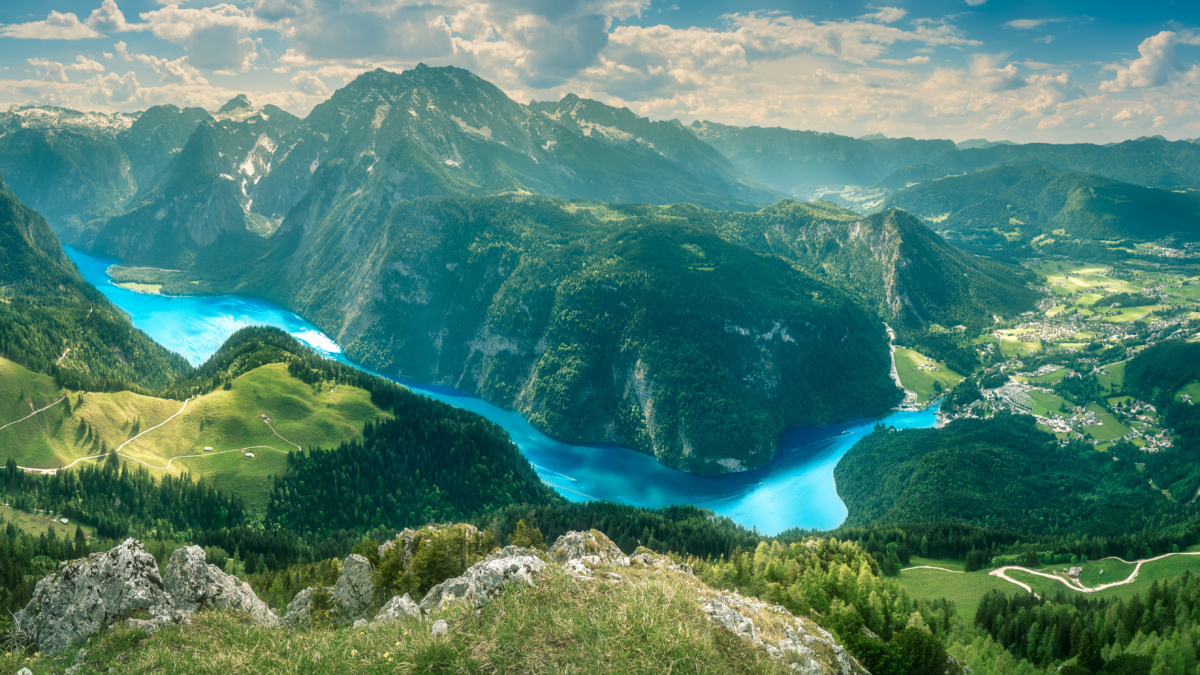
Earth Day, observed annually on April 22, is a global recognition of the environmental movement and a reminder of our shared responsibility to protect the planet’s natural resources.
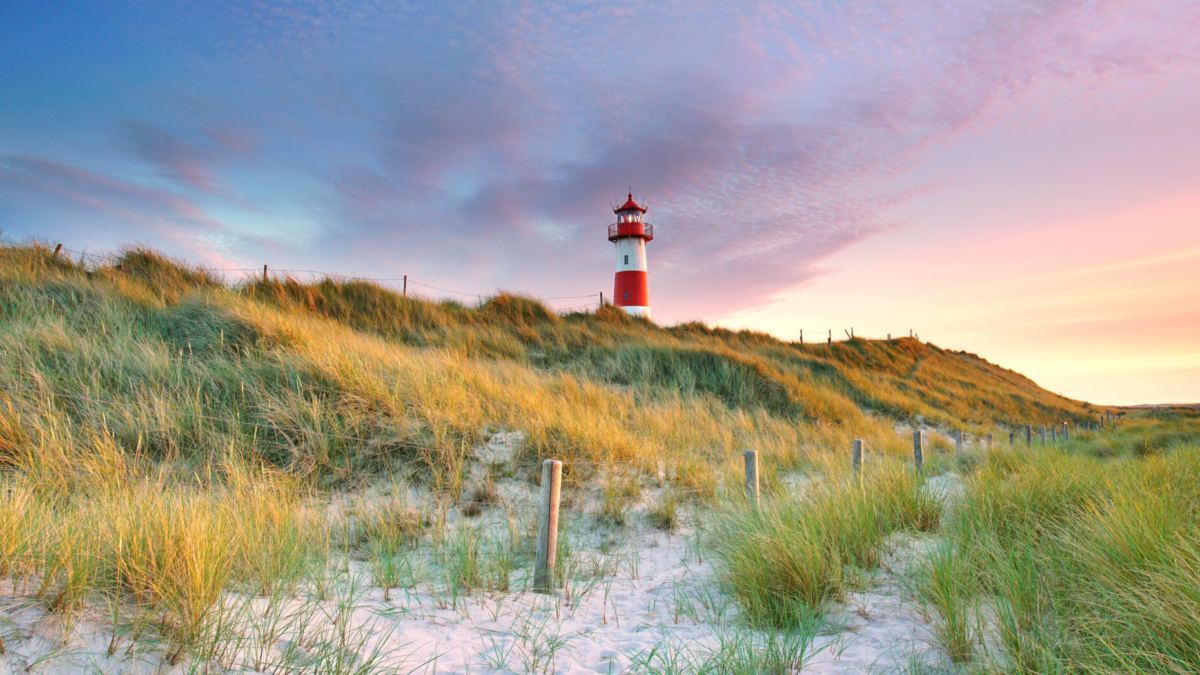
In March, National Geographic Learning celebrates the inspiring achievements of women who have shaped history through their contributions as explorers, scientists, photographers, anthropologists, and authors. From research labs and classrooms to space missions and political movements, women have played a vital role in advancing knowledge and progress in our world. Women’s History Month provides a dedicated opportunity to reflect on their impact and honor the women who have paved the way for future generations.
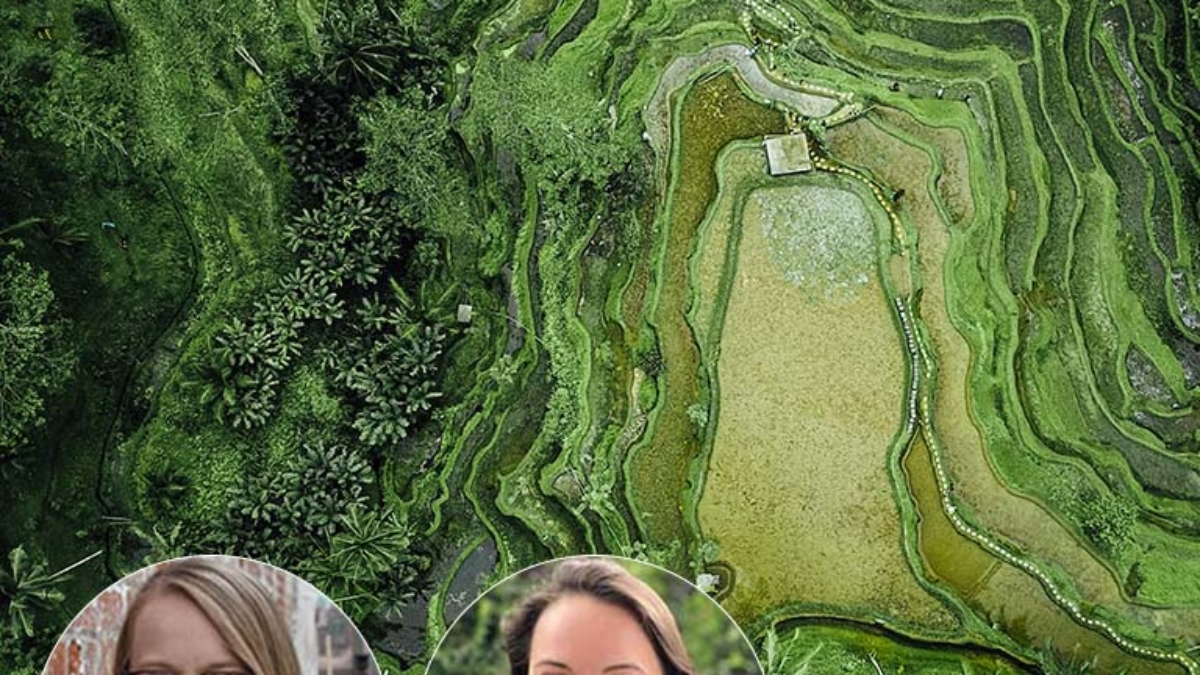
MapMaker, developed by ESRI and National Geographic, continues to evolve! Join us to see the most recent updates. Explore how your students can gain an understanding of the world’s most crucial issues, challenges, and historical context of place.
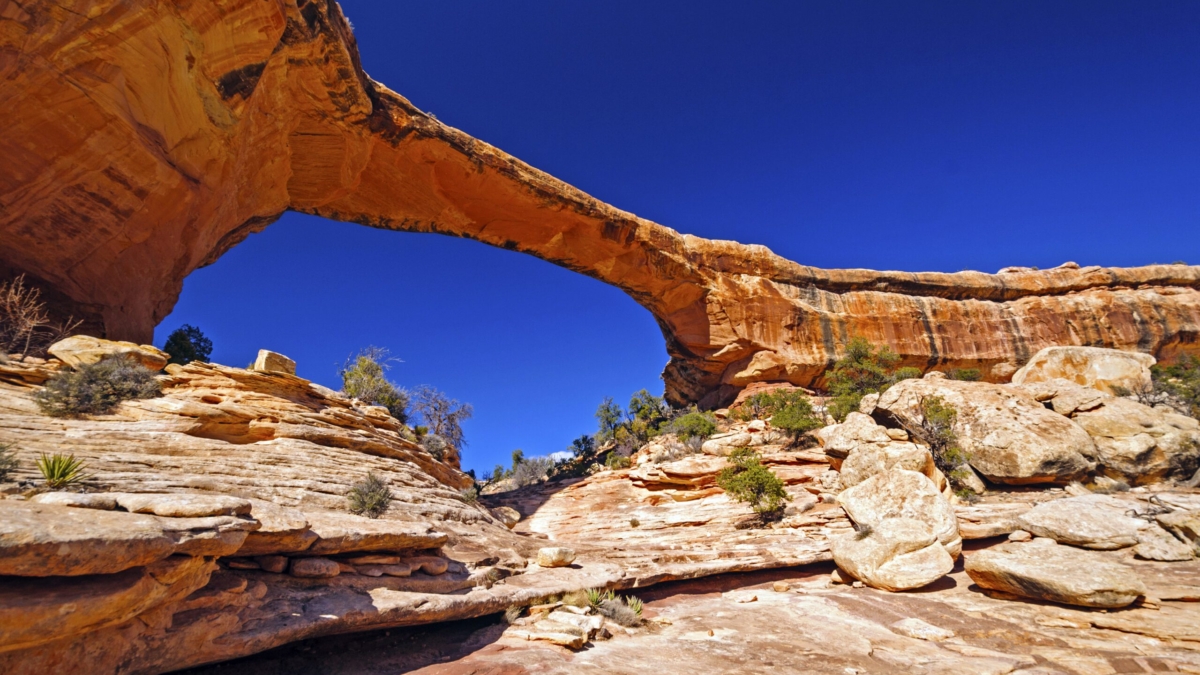
We’ve all heard that it takes a village to raise a child, but when you’re working in education, that phrase runs deeper. Creating an environment that cultivates collaboration, critical thinking, and holistic development is essential in preparing students to become good members of society. Through community engagement, we not only support student success but also benefit from this collective mission to educate our young ones. This ripple effect can be passed…